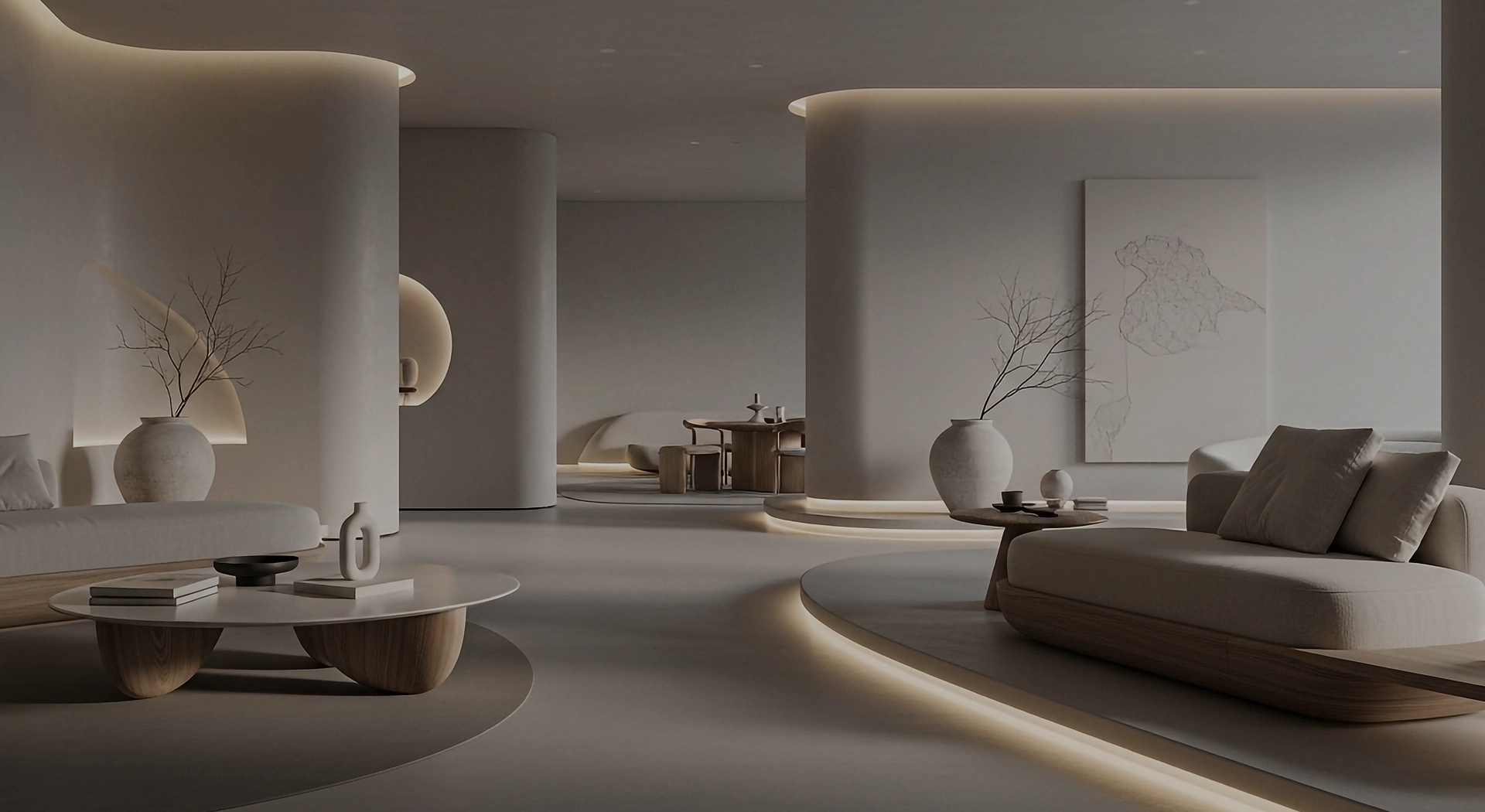
Transforming spaces into personal sanctuaries through design
Designing a home goes beyond mere aesthetics; it involves creating environments that resonate with daily life, enhancing comfort while reflecting personal identity through carefully curated elements and spatial harmony.

Minimalist aesthetic
Clean lines and decluttered surfaces define this approach, focusing on functionality and neutral palettes to create a sense of calm and orderly sophistication.

Industrial loft charm
Raw materials like exposed brick and metal piping merge with vintage furniture, celebrating structural elements to achieve an edgy yet welcoming urban atmosphere.

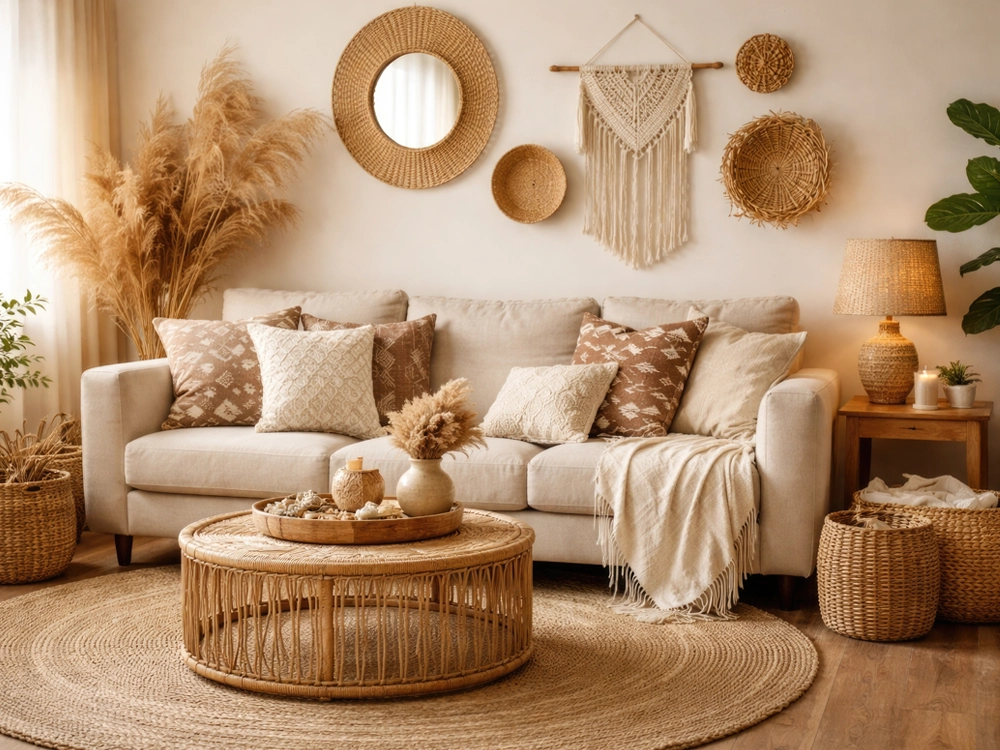
Bohemian eclectic soul
Layers of vibrant patterns, global textures, and organic materials come together, offering a relaxed freedom that breaks traditional rules for a unique narrative.
Selecting modular furniture systems
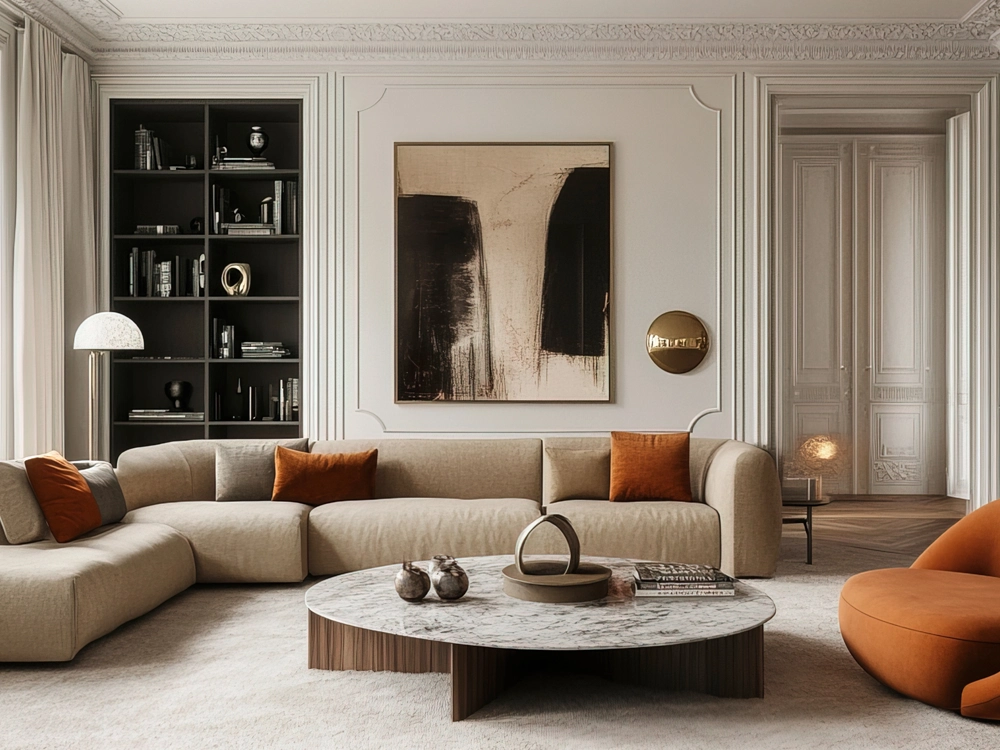
Adaptability drives the design of contemporary living rooms, where sectional sofas reconfigure to suit various social gatherings. Choosing nesting tables and expandable consoles allows the furniture footprint to shrink or grow based on immediate needs. High-quality joinery ensures these moving parts withstand frequent adjustments without compromising stability or aesthetic appeal over time.
Optimizing layout and spatial flow
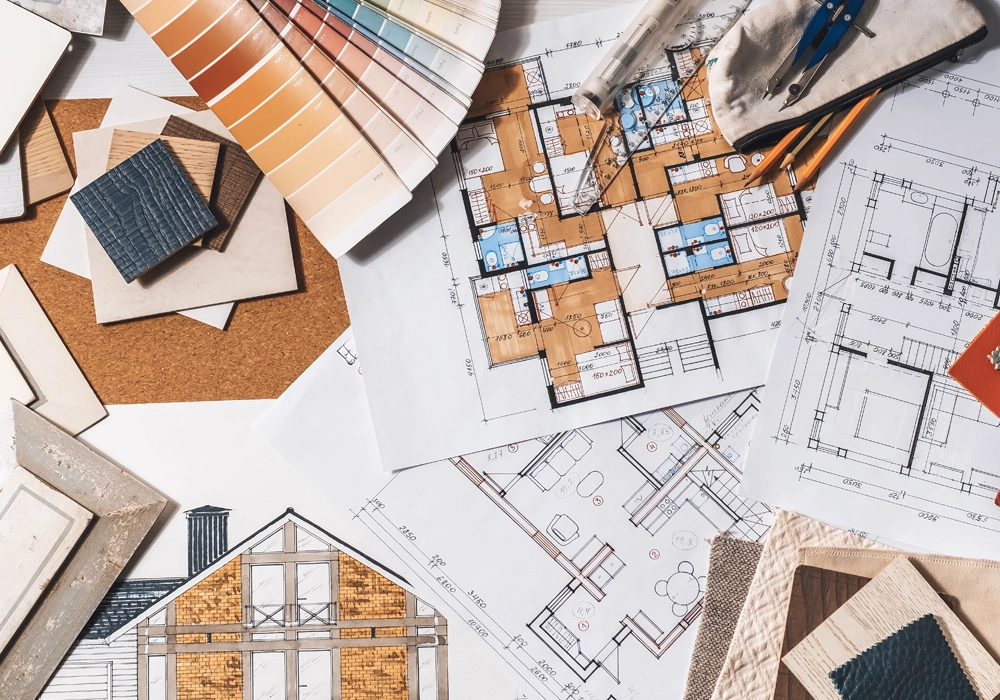
Effective space planning dictates how movement occurs within a room, ensuring pathways remain unobstructed while maximizing usability. Placing furniture away from walls creates intimate conversation zones, while utilizing vertical storage solutions frees up floor area. A well-considered floor plan balances positive and negative space, making even compact areas feel open and breathable.
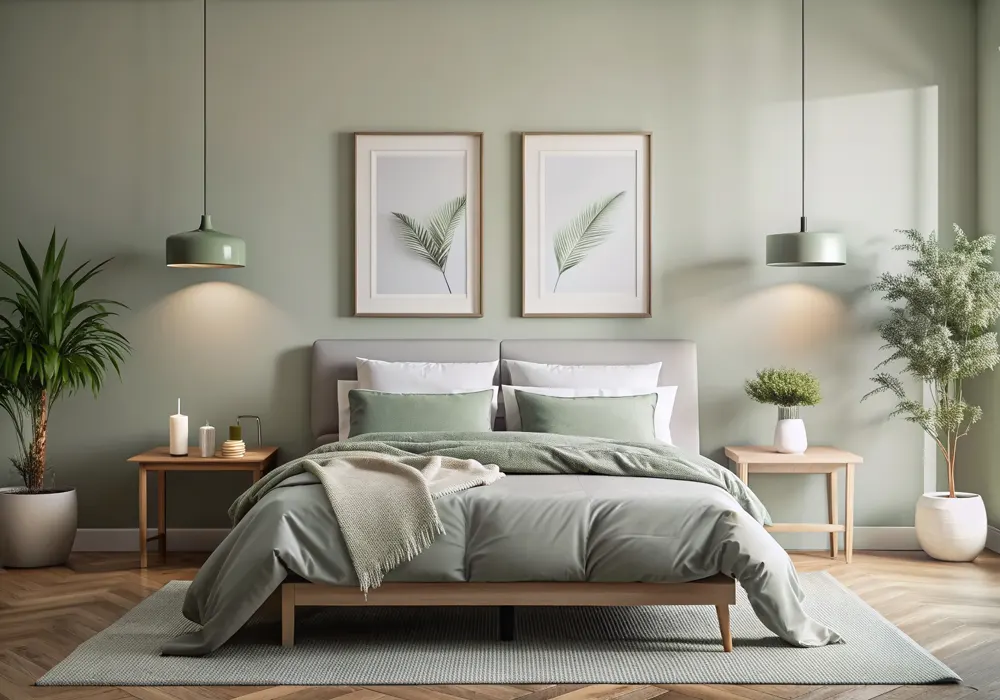
Curating distinct atmospheres for every room
Each room serves a specific function and requires a tailored approach to furniture selection and decor, ensuring that style meets practical needs throughout the entire home. From the living room, where comfort and social interaction are paramount, to the bedroom, designed for rest and relaxation, every space must reflect both aesthetic appeal and functionality. Thoughtful consideration of layout, color schemes, textures, and lighting can enhance the atmosphere and usability of each area, creating a cohesive and harmonious environment that flows seamlessly from one room to the next.
Embracing sustainable living and eco-design
Selecting materials with low environmental impact, such as reclaimed wood, recycled textiles, or sustainably sourced stone, not only reduces the carbon footprint but also brings authentic character and warmth to modern interiors. By prioritizing eco-friendly materials, homeowners can create spaces that are visually appealing, durable, and aligned with sustainable living principles, all while contributing to a healthier planet and fostering a sense of mindful, responsible design
How details shape a harmonious home
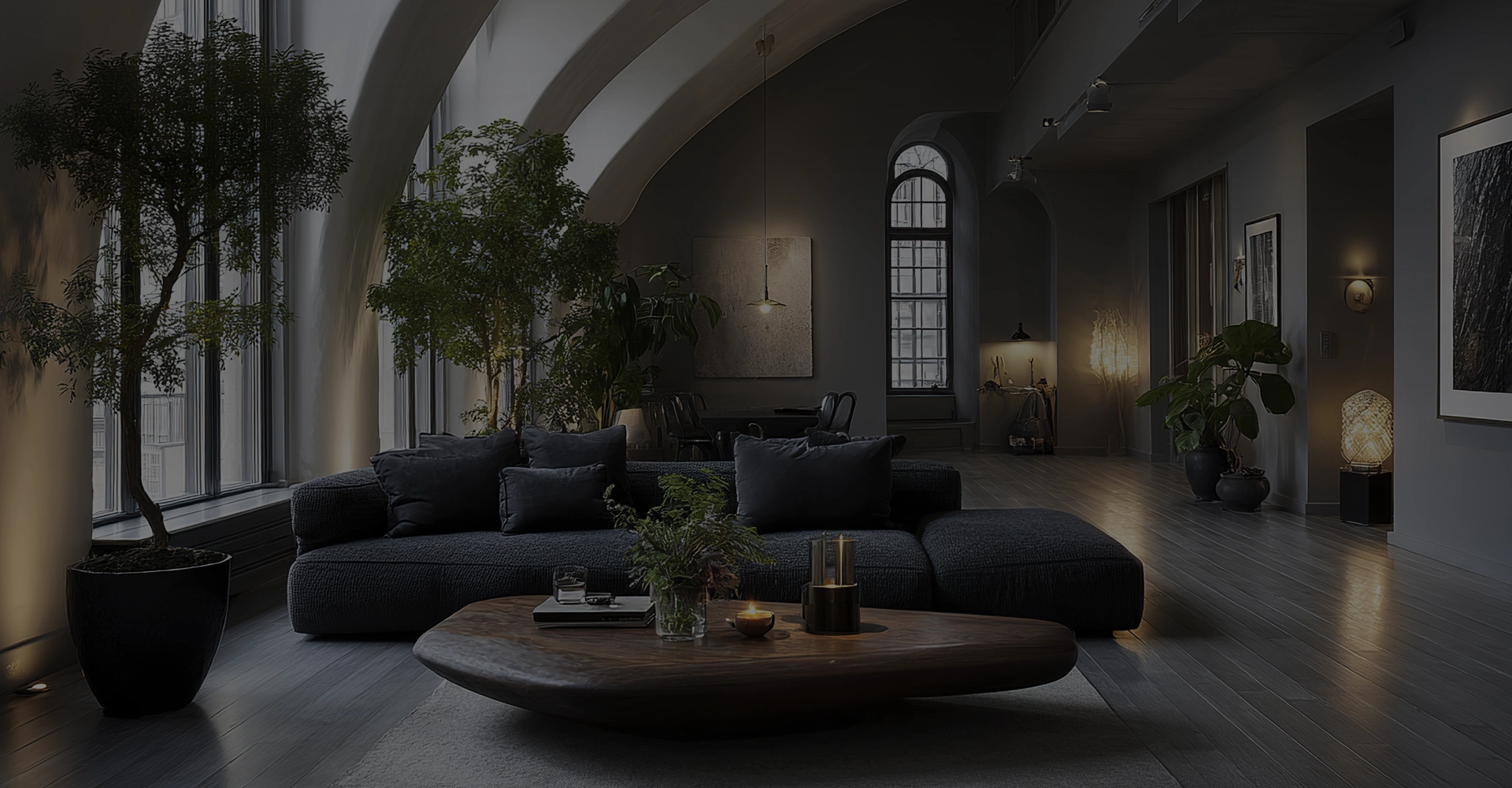
Creating a home that feels inviting and balanced starts with paying attention to colors, textures, and lighting. Layered textiles and carefully chosen wall decor add warmth and personality, while soft fabrics and ambient lighting enhance comfort. Together, these details shape spaces that are both stylish and welcoming.